Liquifilm Solutions
Uncompromising Protection During Construction & Refit
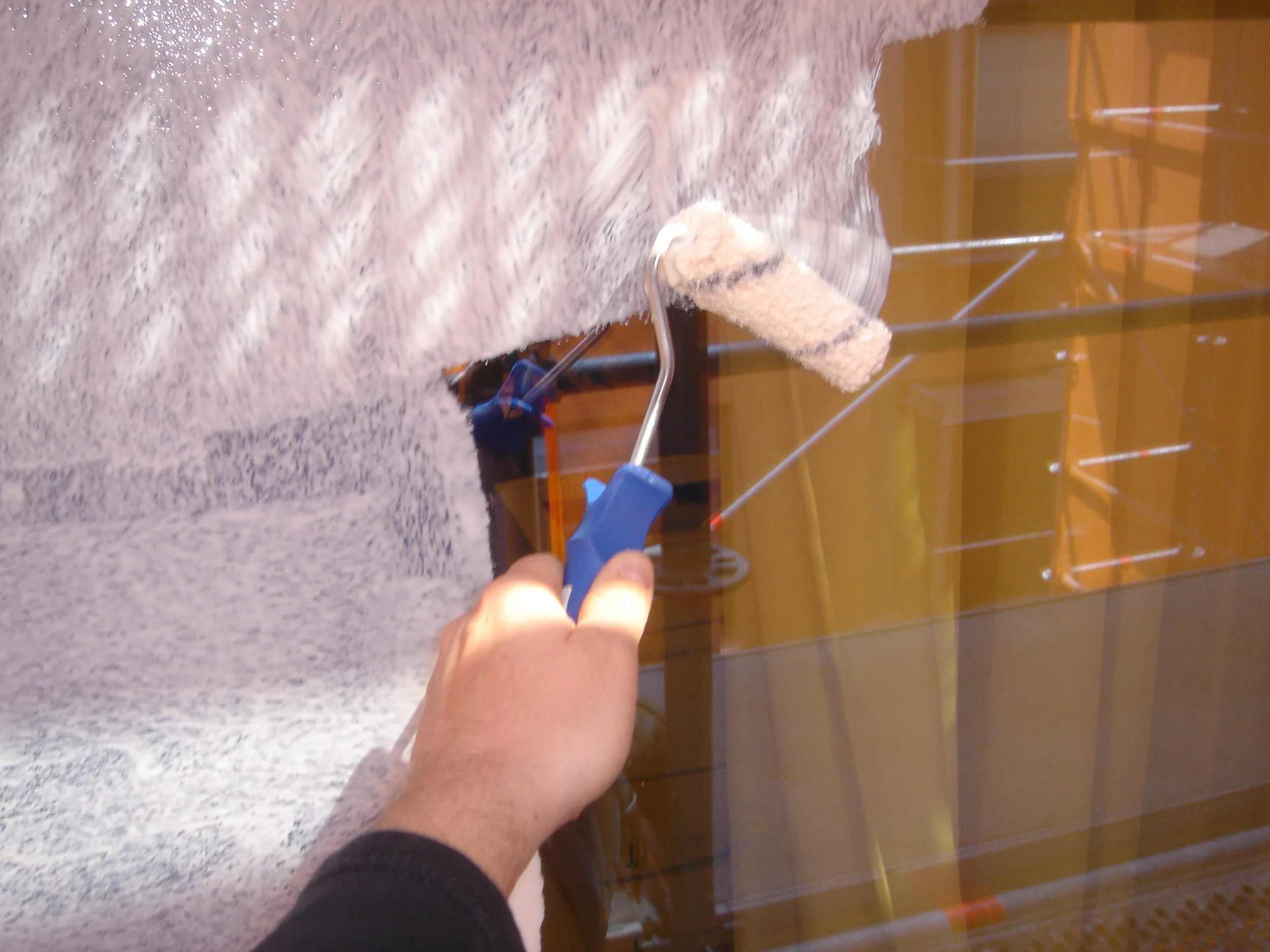
During new builds, major renovations, or dry dock refits, a cruise ship’s most valuable surfaces are at risk. LiquiFilm offers the highest quality temporary protection for all non-porous materials, including glass, Inox, and aluminum. It creates a robust shield against scratches, concrete stains, paint overspray, and welding spatter.
Why LiquiFilm?
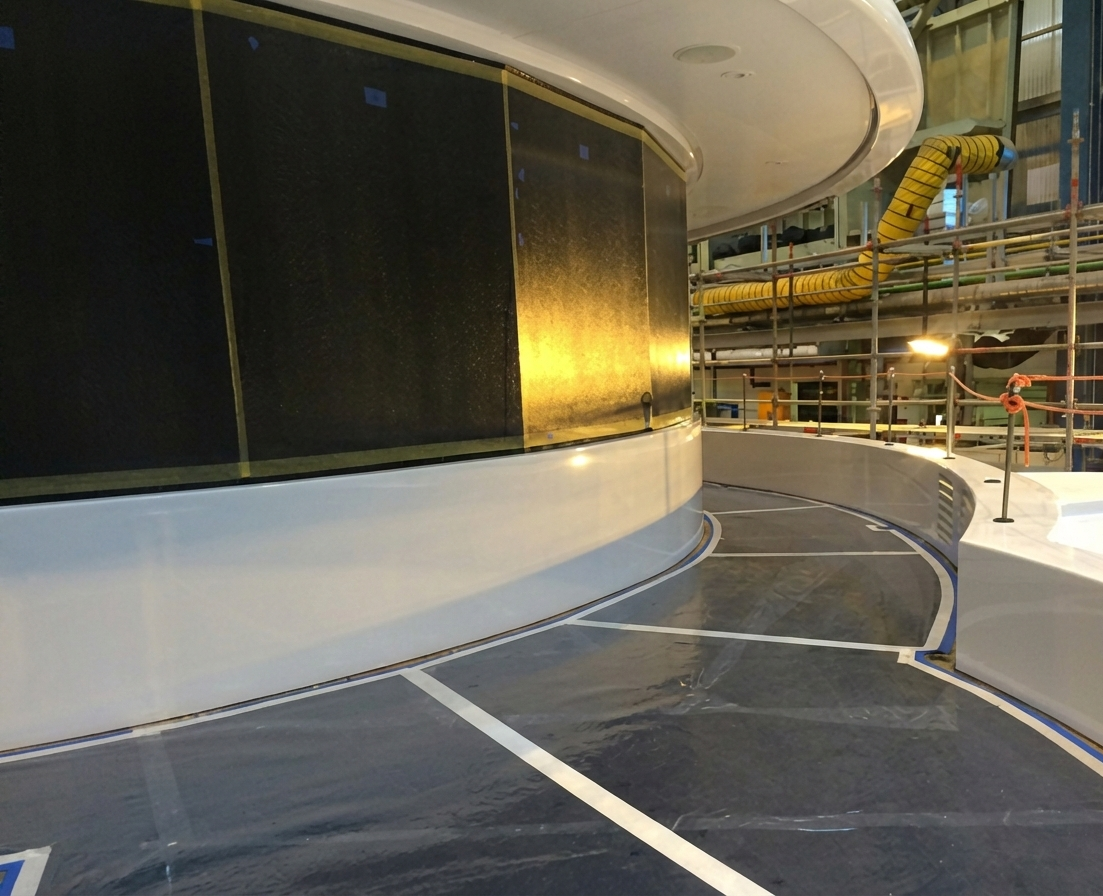
Cruise ship glass and architectural surfaces are expensive, large-scale, and incredibly complex to replace without causing costly delays to the vessel's schedule. LiquiFilm eliminates this risk. Unlike traditional plastic sheeting or covers, our liquid-applied film is transparent allowing natural daylight into the interior so contractors, yard workers, and crew can work in a bright, safe environment.
Proven Performance
LiquiFilm is the trusted choice for the world’s most prestigious maritime projects:
128-meter superyacht: Complete glass protection during a 6-month intensive refit.
78-meter superyacht: All windows protected during a full teak deck replacement.
Result: Zero damage, zero yard delays, and zero complaints.
The Advantages:
Superior Strength: A long-lasting, water-resistant, and high-quality barrier.
Total Clarity: Maintains natural light and visibility during the project
Eco-Friendly: Cellulose-based and environmentally friendly, drastically reducing plastic waste compared to traditional protection methods.
Effortless Workflow: Easy to apply and even easier to remove, with no risk of surface damage during either process.
Cost-Efficient & On Schedule: Preventing one damaged pane pays for the entire application and keeps the ship on track for its next cruise.
Deliver Your Project Damage-Free.
Increase your quality and safety standards the easy way. With years of success on prestigious vessels worldwide, LiquiFilm ensures your construction or refit project is delivered in pristine condition, ready for guests.
LiquiFilm is a NautiCure® concept.
Gallery
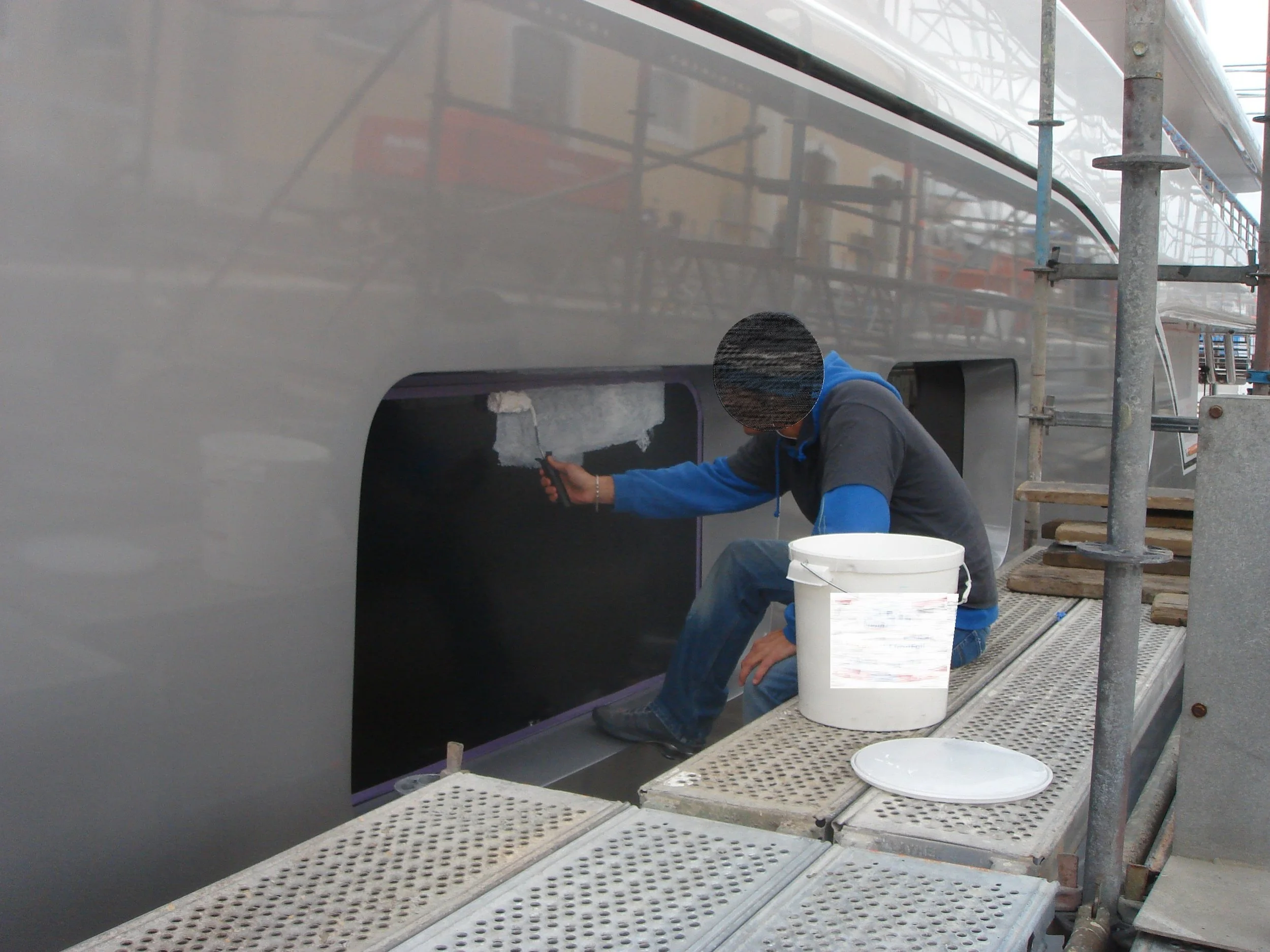
Application in process
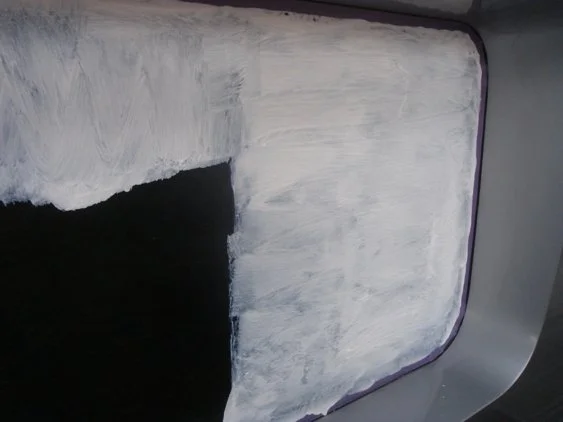
During application
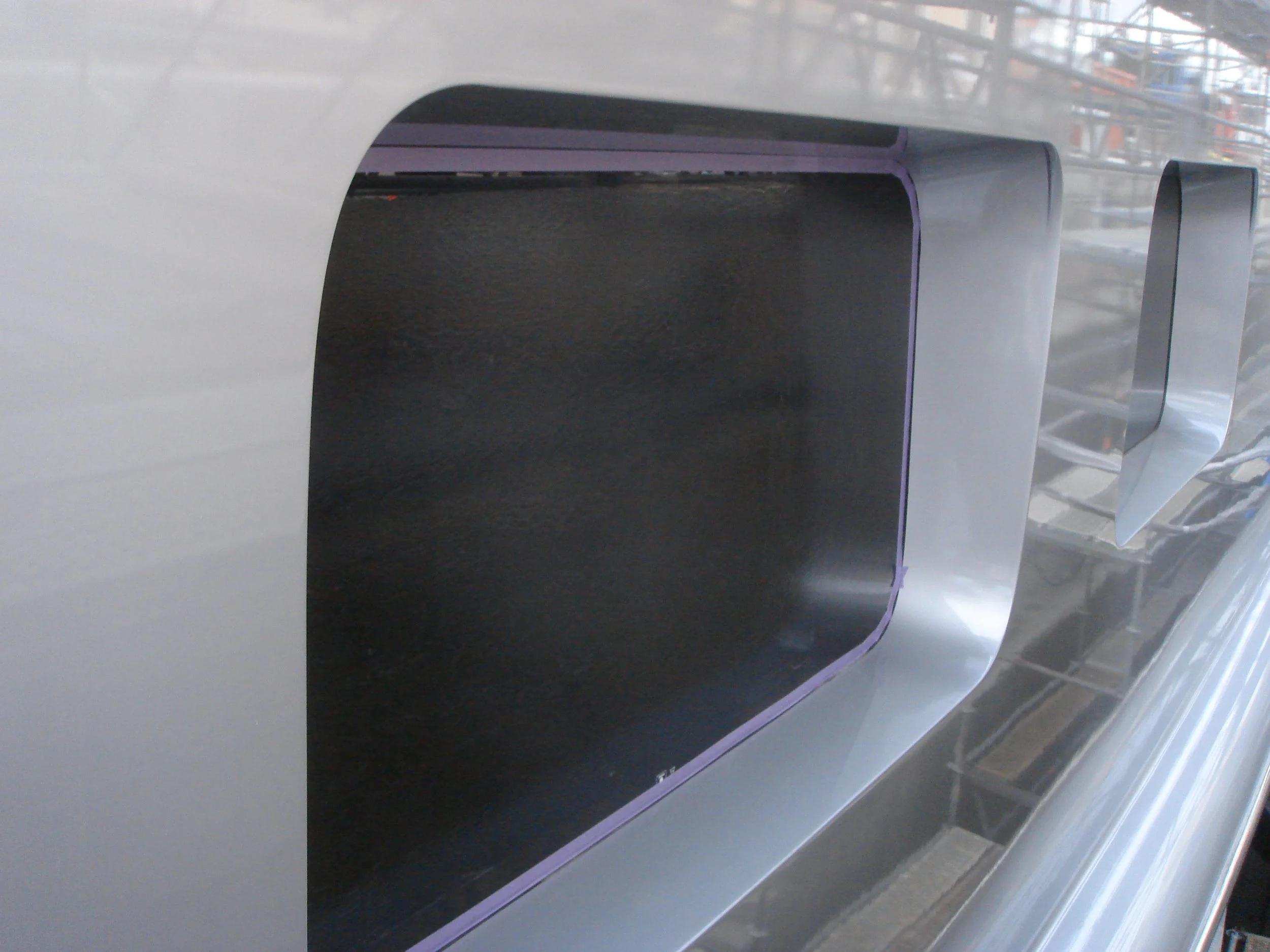
After application - dried
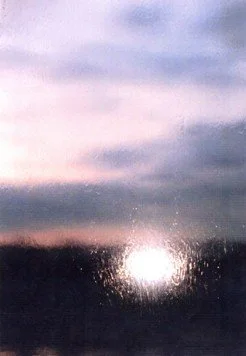
Daylight inside
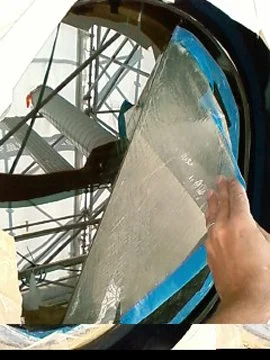
Easy to remove
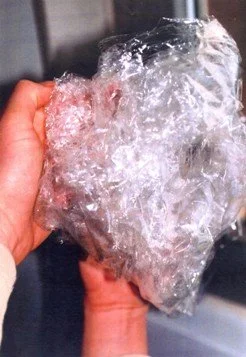
What is left after removal
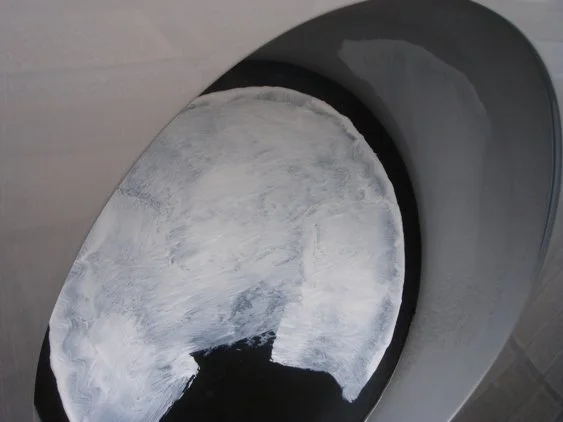
During application
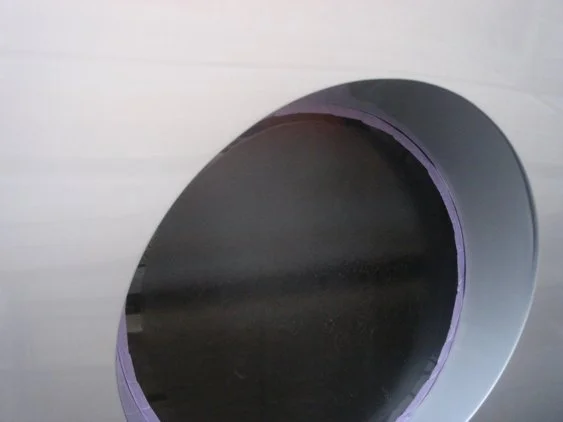
After application - dried
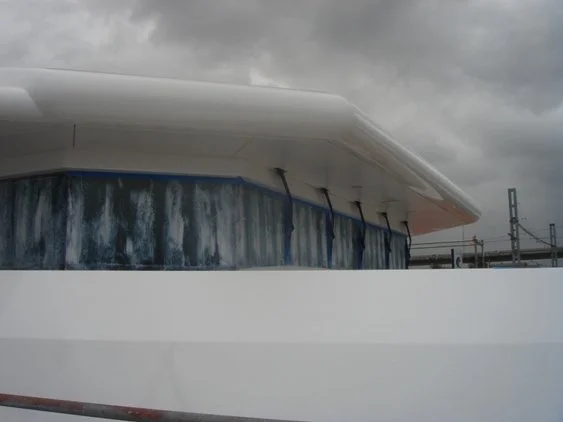
After application - still wet
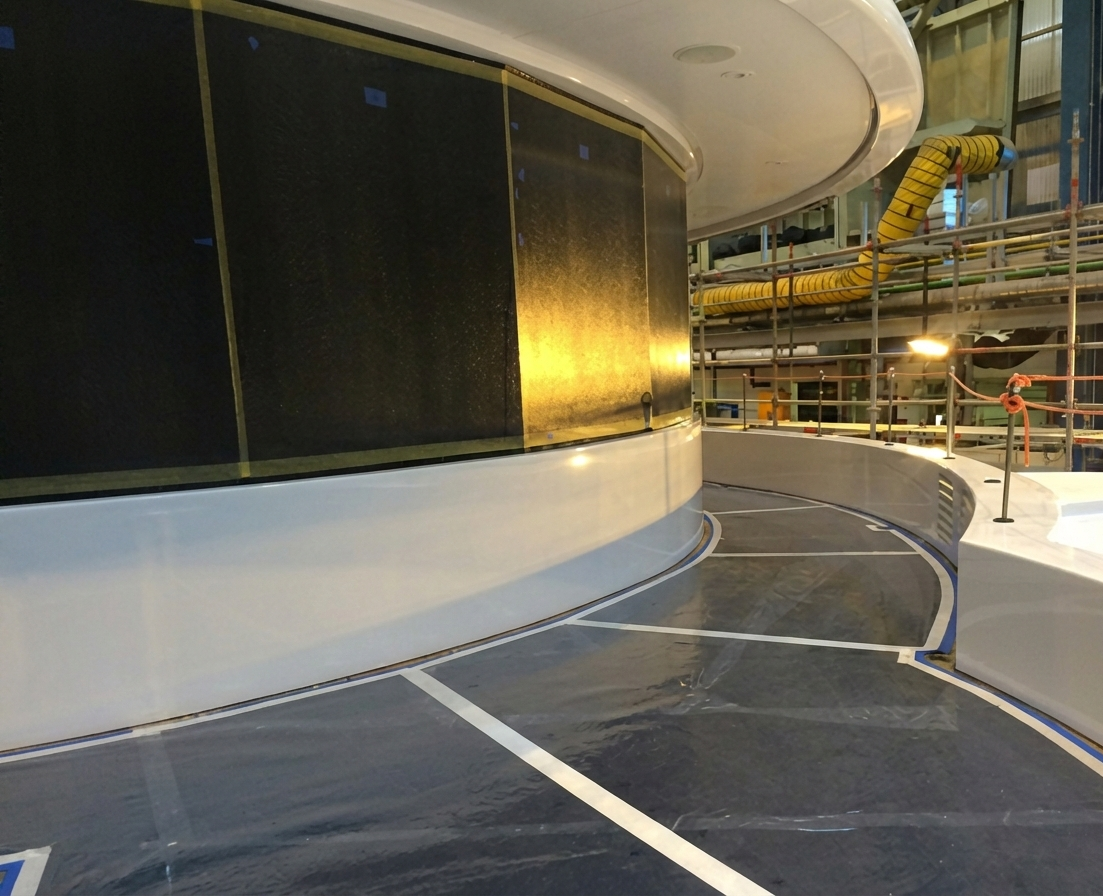
After application - dried
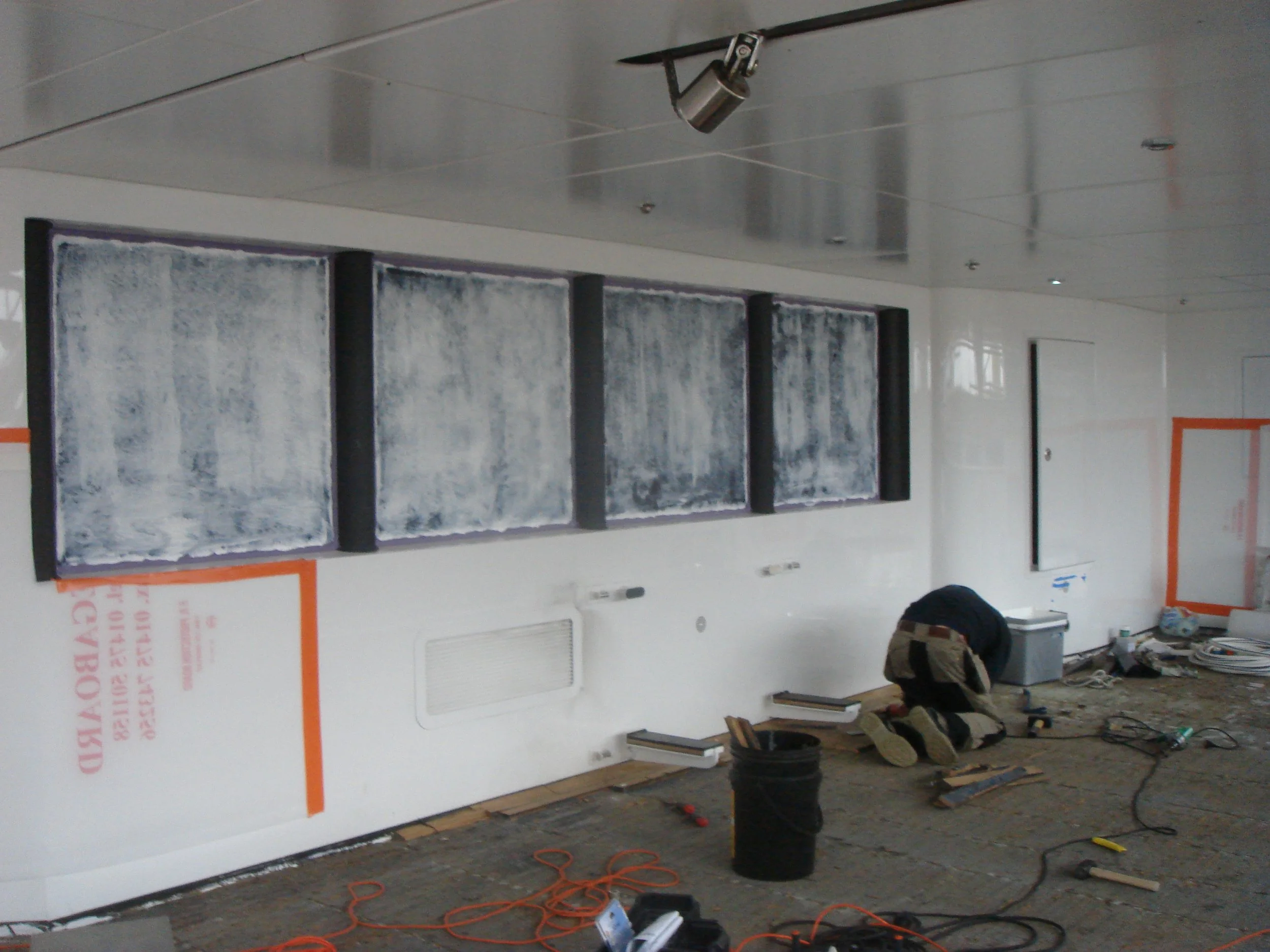
After application - still wet
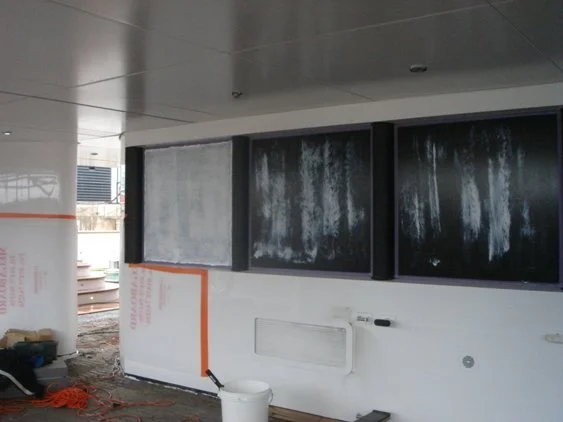
After application - drying in process
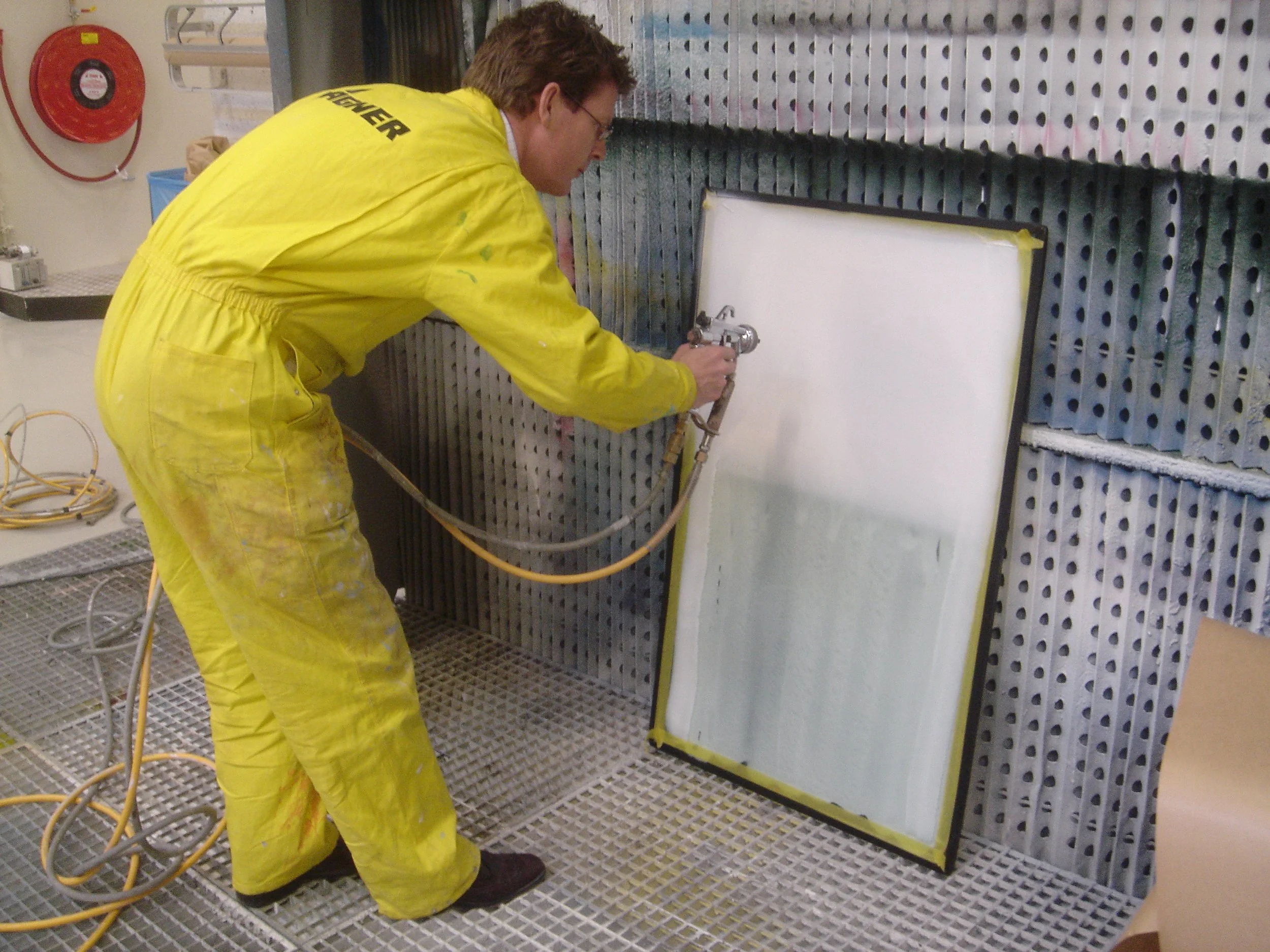
During application

After application - still wet